
Well-designed toilets are not the most important feature in an athletic complex, park, downtown streetscape or campground. But, they can have an impact on the way visitors perceive the area. Overall, the experience for visitors is enhanced when people can find a tidy and safe bathroom, that is easily accessible is well-constructed and is designed with care. If the facility is old ugly, unclean, difficult to maintain or badly designed, the wrong impression is made. This becomes one of the most common complaints that an agency or park department is faced with.
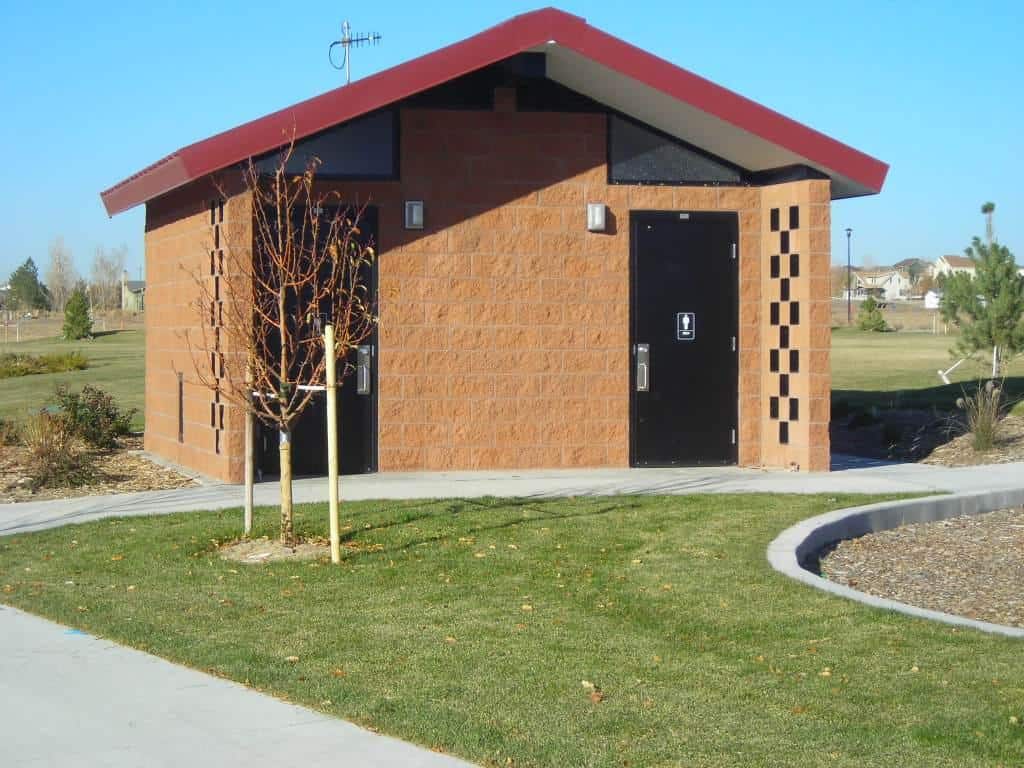
In recent years increasing numbers of communities have started to examine the way restrooms are built. Instead of focusing on them as an ordinary utility structure, the owners are beginning to see they are an integral element of the public infrastructure. The structure’s goal should be to provide services to its users and the maintenance staff that is responsible for it, and integrate into the surrounding environmental.
Every project requires a distinct kind of toilet solution
One of the biggest mistakes when it comes to planning public facilities is to assume that one restroom design will work everywhere. A small neighborhood park has different requirements as compared to a larger regional sports complex. A trailhead that is away from water and does not have access to it requires different solutions than an urban center with high-durability facilities. There are camping areas, pools and venues for gatherings, along with civic gathering spots, all have different transportation patterns, maintenance requirements and accessibility issues.
A thoughtful design can make a difference. Romtec works closely with cities, parks departments as well as architects and contractors to create restrooms that are adapted to the specific site. This could be a one-user structure within a natural environment or a multi-user facility for the sports field or shower house that is used for municipal pools or a campground, or even a steel sidewalk toilet for urban zones. The idea is not to just build a building, but create a facility for people to use every day.
Prefabricated park restroom buildings do not come in a homogenous fashion.
A majority of buyers begin their look by looking at the prefabricated parks restrooms since they are looking for speed, ease of use and a clear understanding of the construction costs. This is logical. But there’s a big difference between a prefabricated generic unit and an individualized building solution that can still provide the advantages of a simple procedure that is streamlined and efficient.
Romtec’s strategy for restroom projects is much more flexible than the conventional prefabrication. Romtec does not require the municipality or park to adhere to rigid design limitations, but instead provides design plans, specifications and materials, and even support that allows the structure and project goals to be aligned. The restroom can then be designed to meet architectural preferences, ADA standards, sustainability goals and local climate. It creates a space that feels more like a part of a park or public area, rather than being a secondary consideration.
Better restrooms are more conducive to public use
People often talk about restroom buildings only in terms of plumbing, square footage, or maintenance costs, but the visitor experience matters too. Clean, appealing buildings made of robust materials and clear visibility represent a high level of attention to detail. It can also affect the way people feel about the space.
Romtec’s design philosophy is founded on both appearance and functionality. Public restrooms shouldn’t only be easy to maintain but also feel at ease and in keeping with their surroundings. In numerous public spaces, designing details can help reduce use, prevent vandalism and enhance the user experience. A bathroom that is bright and clear is distinct than one that is secluded or a bit secluded.
Sidewalk toilets meet a different type of public need
Urban environments present a unique challenge. In places like transportation corridors and downtown districts or tourist zones and public spaces, the availability of clean toilets has an immediate impact on the sanitation and comfort of the people in the area as well as the accessibility and aesthetics of the streetscape. Sidewalk restrooms were developed for this purpose.
As opposed to larger parks with restrooms the sidewalk restrooms have to fit into a smaller footprint, in order to withstand the rigors of frequent use and city maintenance. Romtec’s sidewalk restrooms are built to last, simple to maintain and avoid misuse. Stainless steel fixtures, small designs, and tough materials helps create bathrooms that are functional and easy to maintain in urban areas.
Restrooms are a part of the overall strategy for visitor infrastructure
In the majority of communities, restrooms are not standalone projects. They are part of a broader effort to improve public spaces through more amenities for visitors. A sports park may need concessions facilities in addition to the restroom. For areas that are remote from the property, a campground could require showers, changing facilities or alternatives to water. Smaller structures may be needed to support a trail system in a natural setting without utilities.
Romtec’s design is more than standard restrooms to provide a wider vision. Their restroom facilities, shower structures, concession areas, and other structures assist owners build facilities that meet the needs of people actually use the location. It is essential to think in terms of the big picture. This is because toilets should not be considered a separate unit. It should support the flow, comfort, and long-term success of the entire area.
Public spaces that are better for everyone is created by better facilities
Bathrooms are a major investment that people usually only consider when they’re not doing it right. When built well restroom buildings can quietly enhance the overall experience of city parks, streets and recreation facilities for years. They enhance access, comfort, cleanliness, and also the overall impression of the space.
Romtec’s experiences show that prefabricated restroom buildings aren’t necessarily ugly or generic. Prefabricated restrooms can be adapted to fit a particular site, reflect the community’s personality and better serve the needs of guests. No matter whether it’s park restrooms, shower buildings or public restrooms in places with high traffic or durable sidewalk restrooms that are suitable for urban settings, a smarter planning process can result in the best public outcomes.