
Imagine the apps that you have on your phone. The ones you open each day without even noticing the cycle triggers and your thumb knows which direction to take. The reason for this effortless, second-nature interaction lies an immense amount of human psychology as well as a surprisingly technical engineering. The modern-day user has a zero tolerance policy towards digital friction. If the mobile’s screen is sluggish for less than an instant, takes too long to load on weak cellular data, or if it fails to send notifications, they are deleted in a matter of minutes. For funded founders and growth-oriented enterprises, the stakes could not be higher. Making a product that succeeds requires more than just a beautiful surface or a beautiful landing page. It is essential to have an alliance with a reputable mobile app creator that can create human engagement in the very initial stages of production.
Navigating the Constantly Shifting Ecosystem Rules
It’s much more difficult to build for mobile than web engineering due to the fact that you have to work on a surface that is moving. Apple introduces an operating system update every in the fall. It includes stricter privacy policies, is able to retire outdated structures of code and alters the way that apps store reviews are conducted. Google operates with its own complicated timeline, continuously shifting how notifications function and changing the way background processes work with phones’ batteries. If your team doesn’t keep their eyes on these evolving guidelines, your product will quickly break, resulting in negative reviews and broken features. This is precisely why businesses must intentionally hire mobile app developer teams who view their work as an ongoing lifecycle rather than a one-time coding sprint. It’s a continuous process of release engineering making sure that the automated pipelines for shipping remain operational and secure throughout every operating system change.
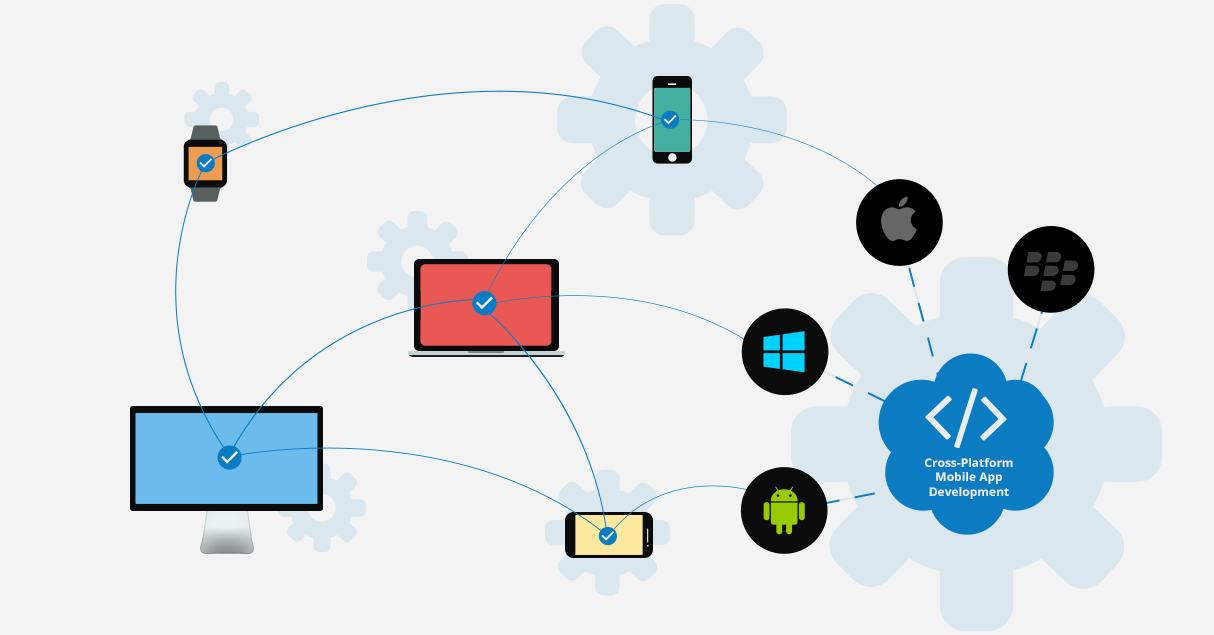
The Crossroads of Native Experiences
When creating a new mobile strategy, the product’s creators always come to a crucial point of no return: how code interacts with hardware. Make sure to select dedicated iOS app development services to gain access directly to Apple’s native frameworks. This lets you enjoy smooth animations, as well as a full integration with specialized features like HealthKit and Biometric Security. By investing in Android app development guarantees that your application can be able to work with the wide range of screen sizes and processing capacities that are available across the globe. Native architecture is the best practice for business models that depend heavily on device access, for example, interacting with low-latency Bluetooth accessories and tracking precise locations in real-time or providing seamless checkout processes using native payment systems.
Cross-Platform Engineering: Speeding up production timelines
For many fast-growing organizations, funding constraints and competitive demands mean that launching on two separate operating systems simultaneously can put an enormous strain on resources. This issue can be solved by choosing an elite cross platform app development strategy. It offers a cohesive team of developers the ability to design, develop and test, then maintain and enhance a system that runs flawlessly on both platforms. This approach cuts the traditional time to launch by several months and allows companies to collect feedback from users at less than the costs. Brands can develop high-quality, stylized and pixel-perfect user interfaces by choosing an app developer who is an expert in this area. This guarantees visual consistency on every device. With the solid base of automated testing, as well as robust background data sync, this cross-platform approach gives the most optimal balance between rapid market access and high-performance execution.
Inspiring long-term sustainable user engagement
The effectiveness of mobile launches is evaluated by the longer-term behaviours of users, rather than simply short-term spikes in downloads. The most effective mobile design incorporates key triggers for behavior into the tech stack to make sure that onboarding flows deliver benefits within a matter of minutes while local data caches seamlessly in the event of an unexpected dropout from cellular and notifications systems adhere to users’ needs. The main goal remains the same, regardless of whether your team wants to ship a minimum viable product (MVP) to prove market fit or deploy an enormous enterprise data system that requires strict compliance. Digital Heroes will help you develop a robust digital asset by agreeing to a rhythm of engineering that is structured and predictable, all while respecting the time of your users and device performance.